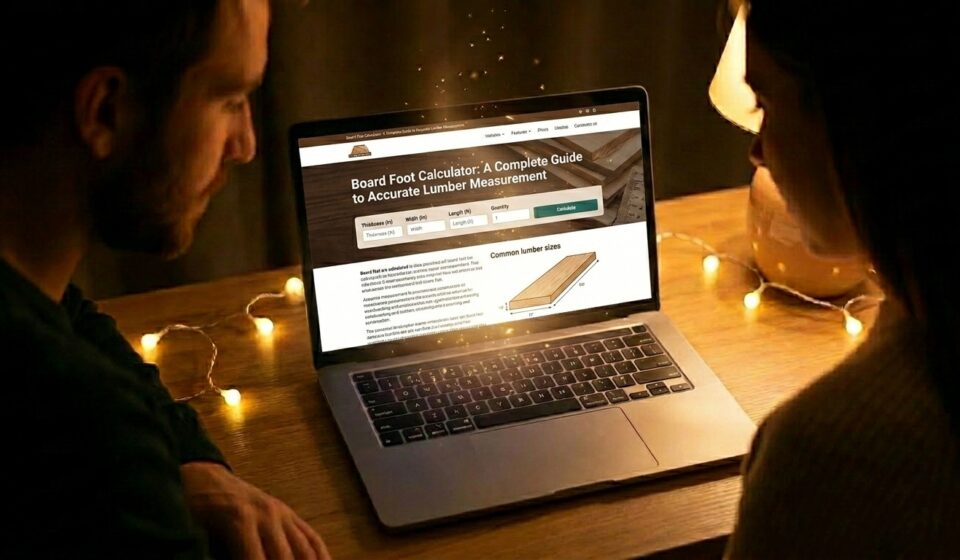

A board foot calculator is an essential tool for anyone working with wood, lumber, or construction materials. Whether you are a carpenter, furniture maker, contractor, or woodworking enthusiast, understanding board foot calculations helps estimate lumber quantity accurately and manage project costs effectively. Lumber is often sold based on board feet, making precise measurement important for budgeting and material planning. A board foot calculator simplifies this process by quickly converting dimensions into usable volume estimates. As woodworking and construction projects continue growing in popularity worldwide, learning how a board foot calculator works can improve efficiency, reduce waste, and support smarter purchasing decisions in both professional and personal projects.
Understanding the Meaning of a Board Foot
A board foot is a standard unit used to measure lumber volume in woodworking and construction industries. It represents a piece of wood that is one inch thick, twelve inches wide, and twelve inches long. This unit allows buyers and sellers to calculate lumber volume consistently regardless of the wood’s shape or dimensions. Understanding this measurement is important because lumber pricing is often based on total board feet rather than individual pieces. A board foot calculator helps simplify these calculations by converting thickness, width, and length into a clear volume estimate. This standard measurement system improves communication and accuracy in lumber transactions across different woodworking applications.
Why a Board Foot Calculator Is Important
A board foot calculator is important because it helps users estimate lumber quantities quickly and accurately. Manual calculations can sometimes lead to errors, especially when dealing with multiple wood sizes or large construction projects. By using a calculator, contractors, carpenters, and woodworkers save time while reducing the risk of incorrect material estimates. Accurate calculations help prevent unnecessary expenses caused by purchasing excess wood or running short during a project. The tool also improves planning and budgeting by providing reliable volume measurements before buying materials. As woodworking projects become more detailed and cost-sensitive, a board foot calculator remains an essential resource for achieving better precision and efficiency.
How a Board Foot Calculator Works
A board foot calculator works by using a simple mathematical formula to determine lumber volume. The calculation typically multiplies the thickness, width, and length of a wood piece before dividing the result by a standard conversion factor. Most calculators allow users to enter dimensions in inches and feet for quick processing. Once the measurements are entered, the calculator instantly provides the total board feet required for the project. This process eliminates manual guesswork and increases calculation accuracy significantly. Whether used online, through mobile applications, or on specialized software, a board foot calculator simplifies lumber estimation and supports faster decision-making for woodworking and construction professionals worldwide.
Common Uses of a Board Foot Calculator
A board foot calculator serves many practical purposes in woodworking, carpentry, and construction industries. Furniture makers use it to estimate hardwood quantities needed for cabinets, tables, and shelves. Contractors rely on accurate board foot calculations when ordering framing lumber for buildings and renovation projects. Wood suppliers also use these calculations to determine pricing and inventory management. Hobbyists benefit from the tool when planning smaller woodworking projects at home. Accurate volume measurement reduces waste and ensures better material usage in every project. Because lumber costs can vary significantly depending on wood type and availability, a board foot calculator becomes a valuable tool for cost control and resource management.
The Connection Between Lumber Pricing and Board Feet
Lumber pricing is closely connected to board foot measurements because wood is commonly sold according to volume rather than individual dimensions. Different wood species, grades, and sizes affect pricing, making accurate calculations essential for fair purchasing decisions. A board foot calculator helps buyers compare costs between different lumber options more effectively. Without accurate measurements, customers may overpay or purchase insufficient materials for their projects. Wood suppliers also depend on board foot calculations to maintain transparent pricing systems and inventory records. Understanding how board feet influence lumber pricing allows consumers and professionals to make informed decisions while improving budgeting accuracy for woodworking and construction projects.
Benefits of Using Digital Board Foot Calculators
Digital board foot calculators have made lumber measurement faster, easier, and more accessible for users worldwide. Online tools and mobile applications can instantly calculate board feet without requiring manual formulas or advanced math skills. These digital solutions reduce human error while improving convenience during project planning and purchasing. Many calculators also support multiple measurement systems, making them useful for international users working with different units. Contractors and woodworkers can quickly estimate material needs directly from smartphones or computers, improving efficiency on job sites and workshops. As technology continues evolving, digital board foot calculators remain valuable resources for accurate lumber measurement and streamlined project management processes.
Reducing Waste Through Accurate Lumber Calculations
Accurate lumber calculations play an important role in reducing material waste and supporting sustainable woodworking practices. A board foot calculator helps users purchase the right amount of wood for each project, minimizing unnecessary excess. This reduces costs while also helping conserve valuable natural resources. In large construction projects, inaccurate estimates can result in significant financial losses and increased environmental impact due to wasted materials. Proper planning supported by accurate calculations improves resource efficiency and project organization. As sustainability becomes increasingly important across industries, using a board foot calculator contributes to more responsible wood usage and better overall management of construction and woodworking materials worldwide.
Learning Board Foot Calculations for Woodworking Success
Learning how to use a board foot calculator provides valuable knowledge for both beginners and experienced woodworkers. Understanding lumber measurements improves confidence when purchasing materials, planning projects, and communicating with suppliers. Even simple woodworking tasks benefit from accurate calculations because they help avoid shortages and unnecessary expenses. Educational programs, trade schools, and woodworking courses often teach board foot measurement as a fundamental skill for students entering the industry. Developing this knowledge strengthens overall project management abilities while improving efficiency in material handling. As woodworking continues growing as both a profession and hobby, board foot calculation skills remain highly practical and beneficial for long-term success.
The Future of Board Foot Calculators in Construction
The future of board foot calculators will likely involve even greater integration with modern construction technology and digital project management systems. Advanced software programs already combine lumber calculations with inventory tracking, cost estimation, and design planning. Artificial intelligence and automation may further improve calculation accuracy and project efficiency in the coming years. Mobile applications are becoming more sophisticated, allowing contractors and woodworkers to manage measurements directly from job sites in real time. These innovations continue simplifying lumber estimation while supporting smarter resource management. As construction and woodworking industries evolve, board foot calculators will remain essential tools for accurate planning, budgeting, and material optimization across projects worldwide.
Conclusion
A board foot calculator is an essential tool that improves accuracy, efficiency, and cost management in woodworking and construction projects. By helping users calculate lumber volume quickly and reliably, it supports better planning and reduces material waste. From professional contractors to hobby woodworkers, anyone working with lumber benefits from understanding board foot measurements and using accurate calculation tools. Digital advancements have made these calculators more accessible and convenient than ever before, enhancing productivity across industries. As demand for efficient resource management continues growing, the importance of accurate lumber measurement will remain strong. Learning to use a board foot calculator is a practical step toward smarter and more successful woodworking projects.