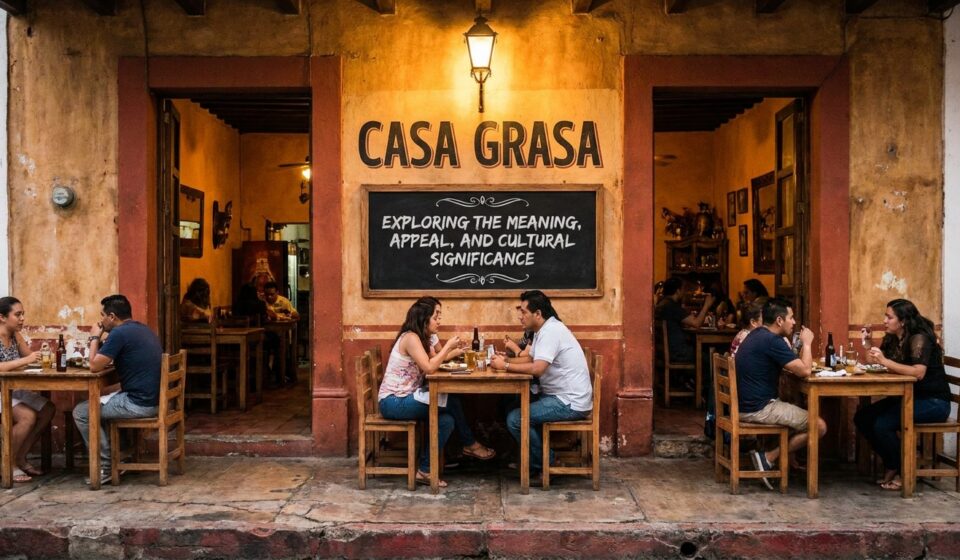

Understanding the Meaning of Casa Grasa
The phrase casa grasa carries a unique character that encourages interpretation through cultural, linguistic, and lifestyle perspectives. In many discussions, the term is associated with distinctive residential environments that stand out due to their design, atmosphere, or symbolic value. Language often evolves through local usage and cultural influence, giving certain expressions broader meanings over time. Casa grasa may represent more than a physical dwelling, reflecting a sense of identity and belonging. Understanding its meaning requires looking beyond literal translation and considering the emotional and cultural connections people develop with their homes and living spaces throughout different stages of life.
The Importance of Home in Modern Society
Homes play a central role in shaping daily experiences and overall well-being. Discussions surrounding casa grasa often highlight the importance of creating spaces that support comfort, security, and personal growth. Modern lifestyles place increasing emphasis on environments that balance functionality with emotional satisfaction. A home serves as a place for relaxation, family interaction, and individual expression. The design and atmosphere of a residence can significantly influence mood, productivity, and quality of life. As societal priorities evolve, people continue seeking living spaces that reflect their values and aspirations. This focus helps explain the ongoing interest in concepts related to casa grasa.
Architectural Identity and Personal Expression
Architecture is one of the most visible ways people express individuality through their living environments. Casa grasa can be viewed as a representation of architectural character that reflects personal preferences and cultural influences. Every home tells a story through its design, layout, materials, and decorative elements. Some individuals prefer traditional styles that honor historical heritage, while others embrace contemporary aesthetics focused on simplicity and innovation. The choices made during home design contribute to a unique identity that distinguishes one residence from another. This relationship between architecture and self-expression remains a powerful factor in how people perceive and appreciate their homes.
Cultural Influences on Residential Design
Culture has a significant impact on how homes are built, decorated, and experienced. The concept of casa grasa can be explored through the lens of cultural traditions that influence residential design across different regions. Family structures, climate conditions, historical practices, and community values often shape architectural choices and interior arrangements. These influences create distinctive styles that reflect local identity while addressing practical needs. As globalization increases cultural exchange, many homeowners blend traditional and modern elements within their living spaces. Understanding cultural influences helps explain why residential environments vary so widely and why concepts such as casa grasa resonate differently among diverse audiences.
Creating Comfortable and Functional Living Spaces
Comfort and functionality are essential components of successful residential design. Discussions related to casa grasa often emphasize the importance of creating environments that support everyday activities while maintaining a welcoming atmosphere. Practical layouts, adequate lighting, efficient storage, and thoughtful furniture arrangements all contribute to a positive living experience. Modern homeowners increasingly seek solutions that maximize both convenience and aesthetic appeal. A comfortable home encourages relaxation and supports healthy routines, making it a valuable foundation for personal well-being. By focusing on functionality without sacrificing style, individuals can create spaces that meet practical needs while reflecting their unique preferences and lifestyles.
The Connection Between Home and Community
A home does not exist in isolation; it is part of a larger community that influences daily life. Casa grasa can also symbolize the relationship between residential spaces and the neighborhoods that surround them. Strong communities contribute to a sense of belonging, safety, and social connection. People often choose homes based not only on physical characteristics but also on access to services, cultural opportunities, and community engagement. Positive neighborhood environments encourage interaction and strengthen social bonds among residents. Understanding the connection between home and community highlights the broader role residential spaces play in supporting meaningful relationships and collective well-being.
Sustainability and Modern Housing Trends
Sustainability has become an important consideration in contemporary housing design. The evolving interpretation of casa grasa may include environmentally responsible practices that improve efficiency and reduce resource consumption. Homeowners increasingly value energy-efficient systems, sustainable materials, and design strategies that minimize environmental impact. These features support long-term cost savings while contributing to broader sustainability goals. Modern housing trends reflect a growing awareness of environmental responsibility and the importance of creating healthier living environments. As sustainable design becomes more widely adopted, residential spaces continue evolving to meet the needs of both current residents and future generations.
The Emotional Value of a Home
Beyond practical considerations, homes carry deep emotional significance. Casa grasa can represent the memories, experiences, and relationships that develop within a living space over time. Homes often become associated with important life events, family traditions, and personal milestones. This emotional connection transforms a residence into something more meaningful than a physical structure. People invest time and effort in creating spaces that reflect their identities and support cherished relationships. The emotional value of a home contributes to feelings of stability and comfort, reinforcing its importance in daily life. These personal connections help explain the lasting appeal of home-centered concepts.
The Future of Residential Living
Residential living continues to evolve as technology, lifestyle preferences, and societal expectations change. The concept of casa grasa may take on new meanings as homeowners adapt to emerging trends and innovations. Smart home technology, flexible living arrangements, and sustainable design practices are influencing the future of residential environments. At the same time, the desire for comfort, identity, and community remains constant. Future homes will likely combine advanced functionality with personalized design elements that enhance quality of life. Understanding these developments provides valuable insight into how residential spaces may continue evolving while preserving their essential role in supporting human well-being.
Conclusion
Casa grasa represents more than a phrase; it reflects the enduring importance of home, identity, and community in modern life. Through architecture, culture, comfort, and personal expression, homes serve as spaces where people build meaningful experiences and lasting memories. The concept highlights the connection between physical environments and emotional well-being while emphasizing the value of thoughtful residential design. As housing trends continue to evolve, the principles associated with casa grasa remain relevant for individuals seeking spaces that support both practical needs and personal aspirations. Ultimately, a well-designed home continues to play a vital role in shaping everyday life and future possibilities.