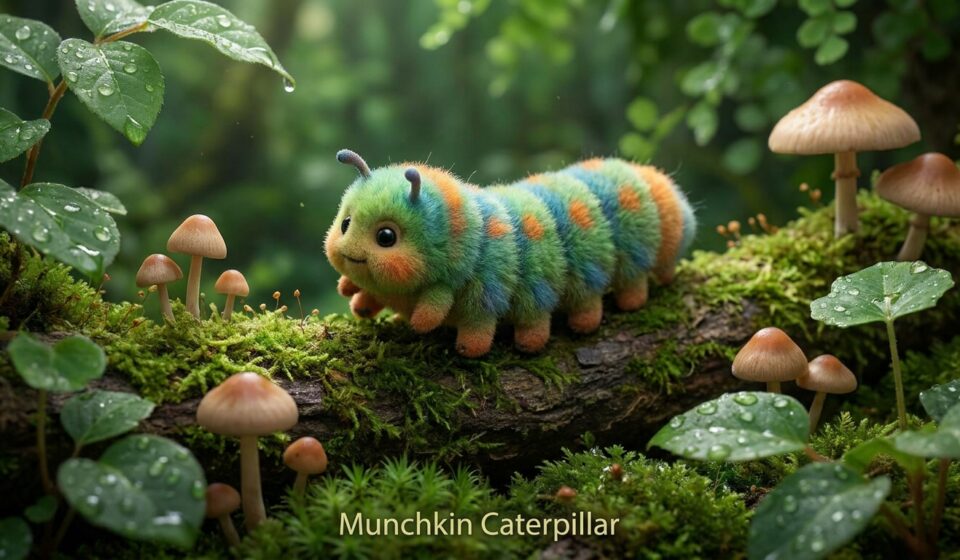

The munchkin caterpillar has gained attention among nature enthusiasts and curious readers because of its distinctive appearance and fascinating life cycle. Although the name may sound playful, it often refers to a small and unique caterpillar that captures interest with its colorful body and unusual movement. Caterpillars play a vital role in ecosystems by serving as food for many animals and eventually transforming into beautiful moths or butterflies. Learning about the munchkin caterpillar helps us appreciate the complexity of nature and the remarkable process of insect development while encouraging greater awareness of biodiversity and environmental conservation.
Understanding the Munchkin Caterpillar
The munchkin caterpillar is generally recognized as a small larval stage of a moth or butterfly that displays interesting physical features and behaviors. Like other caterpillars, it spends most of its early life feeding on plant material to gather the energy needed for transformation. Its compact size and charming appearance have contributed to its memorable name among insect observers. Although specific characteristics may vary depending on species and region, the munchkin caterpillar represents the incredible adaptability found in nature. Studying its development offers valuable insight into insect biology and ecological relationships within different habitats.
Physical Characteristics That Make It Unique
One of the most fascinating aspects of the munchkin caterpillar is its physical appearance, which may include vibrant colors, tiny hairs, stripes, or distinctive patterns that help it survive in the wild. Some caterpillars use camouflage to blend into leaves, while others display bright warning colors that discourage predators. Their soft bodies are divided into segments with specialized legs that allow smooth movement across branches and stems. The munchkin caterpillar may also possess unique textures that make it visually appealing to photographers and researchers. These characteristics contribute to its identity and survival throughout its larval stage.
Natural Habitat and Distribution
The munchkin caterpillar can be found in environments where suitable host plants provide shelter and nutrition. Forests, gardens, meadows, and woodland edges often create ideal conditions for caterpillar development because they offer abundant vegetation and protection from harsh weather. Climate, seasonal changes, and the availability of food sources significantly influence where these insects thrive. Different regions may support different species commonly referred to by this name, resulting in variations in appearance and behavior. Preserving healthy habitats ensures that caterpillars continue fulfilling their important ecological roles while maintaining balanced and diverse natural ecosystems.
Feeding Habits and Daily Behavior
Feeding is the primary activity in the life of a munchkin caterpillar because rapid growth requires substantial amounts of energy. It typically consumes leaves from selected host plants, carefully chewing plant tissue with specialized mouthparts. This continuous feeding allows the caterpillar to increase in size through several developmental stages known as molts. During resting periods, it often remains hidden beneath leaves or along stems to avoid predators. Its daily routine reflects an efficient balance between feeding and self-protection, demonstrating how even small insects have evolved complex survival strategies within their surrounding environments.
The Amazing Transformation into Adulthood
Perhaps the most remarkable stage in the munchkin caterpillar’s life is its transformation through metamorphosis. After completing its feeding period, the caterpillar creates a protective cocoon or chrysalis depending on its species. Inside this structure, dramatic biological changes occur as larval tissues reorganize into the body of an adult moth or butterfly. This transformation represents one of nature’s most extraordinary processes and highlights the complexity of insect development. When the adult finally emerges, it begins a new phase focused on reproduction and pollination, completing a life cycle that supports ecological balance and biodiversity.
Ecological Importance of the Munchkin Caterpillar
The munchkin caterpillar contributes significantly to the environment despite its small size. It serves as a valuable food source for birds, reptiles, amphibians, and beneficial insects, supporting complex food webs across different ecosystems. At the same time, its feeding activities influence plant growth and nutrient cycling within natural habitats. After transforming into an adult butterfly or moth, it may assist in pollination, helping flowering plants reproduce successfully. These ecological functions demonstrate that even tiny organisms play essential roles in maintaining healthy ecosystems, emphasizing the importance of conserving habitats where caterpillars can thrive naturally.
Common Threats Facing Caterpillar Populations
Like many insects, the munchkin caterpillar faces numerous environmental challenges that affect its survival. Habitat destruction caused by urban expansion, intensive agriculture, and deforestation reduces the availability of host plants needed for development. The widespread use of pesticides may unintentionally harm caterpillars and other beneficial insects, disrupting local ecosystems. Climate change also influences seasonal patterns, potentially affecting food availability and breeding cycles. Natural predators remain part of ecological balance, but human-related pressures often create additional difficulties. Protecting biodiversity requires thoughtful conservation efforts that support both caterpillars and the habitats they depend upon.
Why People Are Fascinated by the Munchkin Caterpillar
The growing popularity of the munchkin caterpillar reflects humanity’s curiosity about nature’s smallest wonders. Wildlife photographers, educators, gardeners, and students often admire caterpillars because they provide a visible example of transformation and adaptation. Their colorful bodies and gradual development make them excellent subjects for scientific observation and environmental education. Many people enjoy discovering these insects in gardens and parks, using the experience to learn about local biodiversity. This fascination encourages greater appreciation for insects and inspires conservation efforts that benefit entire ecosystems rather than focusing only on larger or more familiar animals.
Conclusion
The munchkin caterpillar is much more than a tiny insect wandering across leaves. It represents an essential stage in the life cycle of butterflies or moths while contributing to ecological stability through feeding relationships and future pollination. Its unique appearance, remarkable transformation, and environmental importance make it a fascinating subject for nature lovers and researchers alike. By understanding its habitat, behavior, and challenges, we gain a deeper appreciation for biodiversity and the interconnected systems that sustain life. Protecting these small creatures ultimately supports healthier ecosystems and a richer natural world for future generations.