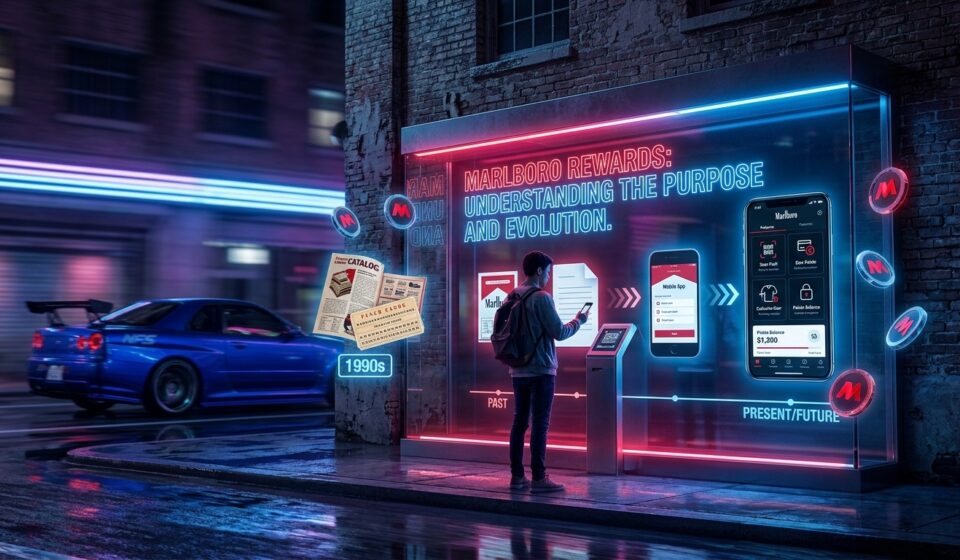

The Concept Behind Marlboro Rewards
The idea behind Marlboro Rewards was based on a common business strategy used across numerous industries. Loyalty programs are designed to encourage ongoing customer engagement by offering access to special promotions, information, or rewards. In the case of Marlboro Rewards, eligible adult participants could interact with the program through various promotional activities. The concept reflected a broader marketing approach that many companies use to strengthen brand recognition and customer retention. By examining how the program functioned, readers can better understand the role loyalty initiatives play in modern business strategies and the importance of customer relationship management.
The Growth of Loyalty Programs
Loyalty programs have become an important part of modern marketing. Businesses across different sectors use them to improve customer engagement and gather insights into consumer preferences. Marlboro Rewards emerged during a period when many companies were expanding loyalty initiatives to create stronger relationships with their audiences. These programs often provide members with access to exclusive opportunities and personalized experiences. The popularity of loyalty programs demonstrates how businesses seek to create long-term connections with customers rather than focusing solely on individual transactions. This shift has influenced marketing strategies across multiple industries and continues to shape customer engagement today.
How Consumer Engagement Changed Over Time
Consumer expectations have evolved significantly over the years, leading companies to adapt their loyalty strategies. Programs such as Marlboro Rewards reflected changing approaches to customer interaction and communication. Businesses increasingly recognized the value of personalized experiences and direct engagement. As technology advanced, loyalty programs became more sophisticated, allowing companies to tailor promotions and communications to specific audiences. These developments transformed how brands interact with consumers and how customers respond to marketing efforts. Understanding this evolution provides valuable context for examining the broader role of loyalty programs within competitive markets and changing consumer environments.
The Role of Digital Technology
Digital technology has reshaped the way loyalty programs operate. Online platforms, mobile applications, and digital communication tools have made it easier for companies to connect with participants and manage program activities. Marlboro Rewards existed during a period when digital engagement became increasingly important for customer relationship strategies. Technology enabled businesses to streamline program management, improve communication, and offer more personalized experiences. These innovations also allowed companies to collect valuable data about consumer behavior and preferences. The growing influence of digital technology continues to transform loyalty programs across industries, creating new opportunities for businesses and consumers alike.
Marketing Strategies and Brand Recognition
One reason loyalty programs attract attention is their ability to strengthen brand recognition. Marlboro Rewards serves as an example of how businesses use customer engagement initiatives to maintain visibility and encourage participation. Effective loyalty programs often focus on creating positive experiences that keep a brand present in consumers’ minds. Marketing professionals view these programs as tools for building awareness and maintaining long-term relationships. While strategies vary between industries, the underlying goal remains consistent: developing meaningful connections with customers. Understanding these marketing principles helps explain why loyalty programs continue to play a significant role in business operations worldwide.
Consumer Perspectives on Loyalty Programs
Consumer opinions about loyalty programs often depend on personal preferences, expectations, and experiences. Some participants appreciate opportunities for engagement and exclusive benefits, while others focus on convenience and ease of participation. Discussions surrounding Marlboro Rewards frequently reflect broader conversations about the value of loyalty initiatives in general. Customers increasingly seek programs that provide transparency, accessibility, and meaningful experiences. Businesses must balance promotional goals with customer expectations to maintain satisfaction and trust. Examining consumer perspectives helps reveal why some loyalty programs achieve lasting success while others struggle to maintain engagement over time.
Industry Regulations and Compliance
Industries that offer loyalty programs must operate within established legal and regulatory frameworks. Marlboro Rewards existed within a regulated environment that required adherence to specific rules and standards. Compliance plays a critical role in ensuring that promotional activities align with applicable laws and industry requirements. Businesses must carefully manage communication, participation criteria, and promotional materials to meet regulatory expectations. Understanding the relationship between loyalty programs and compliance highlights the complexities involved in operating customer engagement initiatives. These considerations remain important across many industries where consumer interaction is subject to oversight and regulatory guidance.
Lessons from Customer Loyalty Initiatives
Programs such as Marlboro Rewards offer valuable lessons about customer engagement, marketing, and brand strategy. Businesses can learn from the successes and challenges associated with loyalty initiatives when designing their own programs. Effective engagement often depends on understanding customer needs, maintaining clear communication, and adapting to changing expectations. Loyalty programs also demonstrate the importance of innovation and responsiveness in competitive markets. By studying how companies approach customer retention and relationship building, organizations can gain insights that apply across industries. These lessons continue to influence the development of modern loyalty strategies and consumer engagement practices.
The Future of Loyalty Programs
The future of loyalty programs will likely be shaped by technology, personalization, and evolving consumer expectations. Businesses are increasingly exploring new ways to deliver value through digital experiences and customized interactions. While programs such as Marlboro Rewards represent an earlier stage in loyalty marketing, they contributed to the broader evolution of customer engagement strategies. Future initiatives may focus more heavily on convenience, data-driven personalization, and seamless digital integration. As consumer preferences continue to change, loyalty programs will remain important tools for building relationships and encouraging participation. Their ongoing development reflects the dynamic nature of modern marketing.
Conclusion
Marlboro Rewards remains a notable example of a customer loyalty initiative within a highly regulated industry. Its history provides insight into how businesses use engagement programs to strengthen customer relationships and enhance brand recognition. By examining the evolution of loyalty strategies, digital technology, consumer expectations, and regulatory considerations, readers can better understand the broader significance of such programs. Loyalty initiatives continue to play an important role in modern marketing, adapting to new technologies and changing consumer behaviors. The story of Marlboro Rewards highlights the lasting influence of customer engagement strategies in today’s business environment.