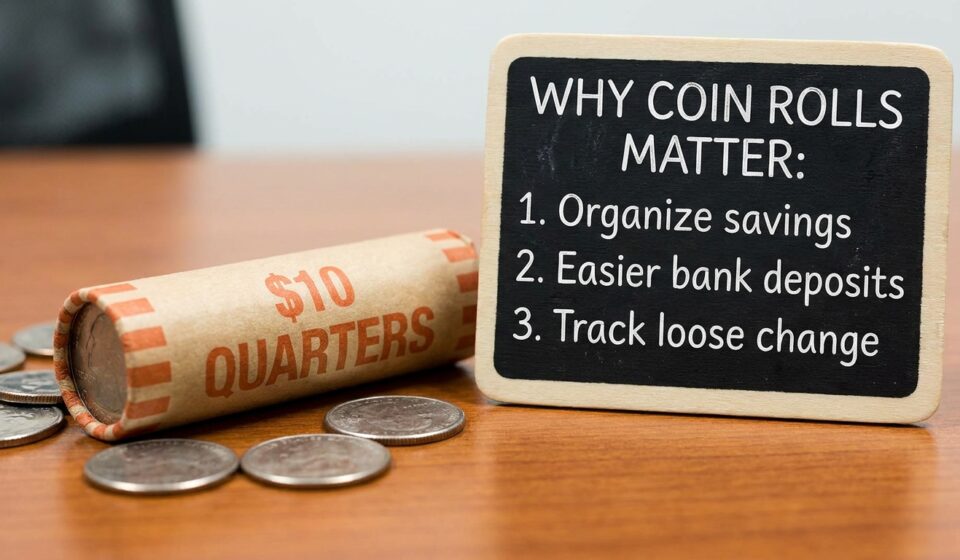

Coins remain an important part of everyday transactions, savings, and banking systems across the world. Among the most commonly used coins in the United States is the nickel, a five-cent coin that many people handle daily without thinking much about its packaging or value in bulk form. A common question often asked by students, collectors, and shoppers is how many nickels in a roll. Understanding coin rolls is useful for counting money quickly, organizing savings, and preparing deposits for banks or businesses. Learning about nickel rolls also helps people manage loose change more efficiently. From banking practices to coin collecting, nickel rolls continue to play an important role in modern financial activities.
Understanding How Many Nickels in a Roll
The answer to how many nickels in a roll is simple and practical. A standard roll of nickels contains forty coins. Since each nickel has a value of five cents, a full roll equals two dollars. Banks and businesses use standardized coin rolls to simplify counting, storage, and transportation of coins. Instead of counting individual nickels one by one, people can quickly identify the total amount by using prepackaged rolls. This system saves time and reduces mistakes during cash handling. Knowing the standard number of nickels in a roll is helpful for budgeting, savings projects, coin collection, and retail operations where coins are regularly exchanged and organized for daily financial activities.
Why Coin Rolls Are Used in Banks
Banks rely on coin rolls because they provide an organized and efficient way to manage large amounts of currency. When customers deposit or withdraw coins, rolled coins are easier to count, verify, and transport compared to loose change. Understanding how many nickels in a roll helps bank employees and customers process transactions more quickly. Coin rolls also reduce confusion because each denomination follows a standard value and quantity. In the case of nickels, forty coins always equal two dollars in a properly filled roll. This consistency supports smoother financial operations while helping banks store and distribute coins effectively. Rolled coins remain an important part of cash management in financial institutions worldwide.
The Value of a Nickel Roll
A roll of nickels may appear small, but it still holds a useful monetary value for everyday transactions and savings. Since one nickel is worth five cents, a complete roll containing forty nickels equals two dollars. People searching how many nickels in a roll are often also interested in calculating the total value quickly. Coin rolls allow individuals to estimate savings without counting each coin separately. Many people collect loose change over time and convert it into rolls before depositing it into a bank account. This simple system encourages better money organization and makes handling coins more practical for households, small businesses, and vending operations that regularly use physical currency in daily transactions.
How Nickels Are Rolled and Packaged
Nickels are typically packaged using paper coin wrappers designed specifically for their size and value. The wrappers are color-coded or labeled to indicate the denomination and total amount inside. When people ask how many nickels in a roll, they are often learning about how coin packaging systems work in general. Coin rolling can be done manually by placing forty nickels into a wrapper and folding both ends securely. Many banks and businesses also use automatic coin-counting machines that sort and package coins rapidly. Properly rolled nickels help prevent counting errors while making storage and transportation more convenient. This packaging method has remained effective for decades in modern banking systems.
The Importance of Nickel Rolls in Coin Collecting
Coin collectors often pay close attention to nickel rolls because they may contain rare or valuable coins hidden among regular currency. Understanding how many nickels in a roll allows collectors to estimate how many coins they are searching through during their hobby activities. Some collectors purchase unopened rolls from banks hoping to discover older nickels, mint errors, or limited-edition coins with collectible value. Roll searching has become a popular activity because it combines financial curiosity with historical interest. Even though most rolls contain standard circulation coins, there is always excitement in the possibility of finding something unique. Nickel rolls continue to attract collectors interested in both history and rare coin discoveries.
How Businesses Benefit From Rolled Nickels
Retail stores, restaurants, and vending machine operators depend heavily on rolled coins for efficient cash management. Businesses frequently need nickels to provide exact change during transactions, making organized coin storage extremely important. Knowing how many nickels in a roll helps employees handle cash drawers accurately and prepare daily bank deposits without confusion. Rolled coins save valuable time during busy business hours because staff can quickly calculate coin totals using standardized packaging. Many businesses order boxes of rolled nickels directly from banks to maintain enough change for customers. This organized approach reduces counting mistakes while supporting smoother financial operations in environments where coins are still regularly used for purchases and services.
Educational Benefits of Learning About Coin Rolls
Teaching children and students about coin rolls can improve financial literacy and strengthen basic math skills. Questions such as how many nickels in a roll introduce practical lessons involving counting, multiplication, and money management. Students learn how coin values combine to create larger totals while gaining a better understanding of real-world financial systems. Teachers often use coins and coin rolls during classroom activities because they provide hands-on learning experiences that connect mathematics to everyday life. Understanding the value of rolled coins can also encourage saving habits among young learners. These simple financial lessons help students build confidence in handling money while developing important organizational and mathematical skills for future responsibilities.
Differences Between Nickel Rolls and Other Coin Rolls
Each type of coin has a different quantity and total value when packaged into rolls. While a nickel roll contains forty coins worth two dollars, penny, dime, and quarter rolls follow different standards. People searching how many nickels in a roll may also want to compare other coin denominations to understand the broader coin packaging system. The number of coins per roll depends mainly on coin size and value. Smaller coins like dimes fit more pieces into a roll, while larger coins require fewer coins per package. These standardized systems help banks, businesses, and individuals identify coin amounts quickly without manually counting every piece during financial transactions and cash handling procedures.
Why Physical Coins Still Matter Today
Despite the growth of digital payments and online banking, physical coins continue to hold importance in many parts of daily life. Nickel rolls remain widely used in laundromats, vending machines, parking meters, retail stores, and personal savings collections. Understanding how many nickels in a roll is still relevant because coins continue to support small transactions and cash-based services around the world. Many people also enjoy saving spare change as a simple budgeting method. Coins provide a physical connection to money that digital transactions cannot fully replace. Even in increasingly cashless societies, rolled coins continue to serve practical, educational, and financial purposes that remain valuable for individuals and businesses alike.
Conclusion
Understanding how many nickels in a roll provides more than just a simple counting answer. A standard roll contains forty nickels worth two dollars, making coin handling faster and more organized for banks, businesses, collectors, and everyday users. Nickel rolls support efficient cash management, simplify savings, and contribute to financial education for students and families. They also remain important in retail environments and coin-collecting activities where accurate counting and organization are essential. Even as digital payments continue to grow, physical coin rolls still play a useful role in modern financial systems. Learning about nickel rolls helps people better understand practical money management and the structure of everyday currency systems.

saif abbasi
Saif Abbasi is a content writer for Americas Best, covering everything from current trends to everyday tips. He believes in the power of clear communication and strives to create content that resonates with a diverse digital audience.